Updated July 2026
Best Gym Shoes for Flat Feet
Lifting, HIIT, and general training put a different demand on flat feet than running or walking — you need a stable, flat base for lifts, but enough give for lateral movement and cardio. These are the shoes that have handled that balance best for us.
This post contains Amazon affiliate links. We may earn a commission on qualifying purchases at no extra cost to you. See our
affiliate disclosure.
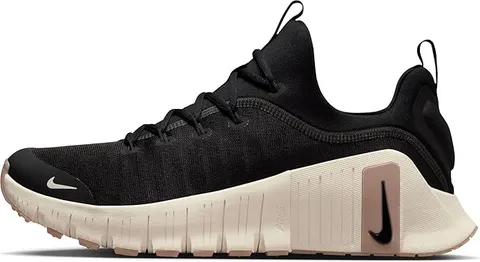
The firm, near-flat heel gives a genuinely stable platform under a loaded bar, which matters a lot when a flat, mobile arch is already working harder to stabilize your stance. It's less forgiving on longer cardio sessions, but that's a fair trade for lifting stability.
What we liked
- Excellent ground contact and stability for lifts
- Durable construction holds up to gym abuse
- Wide base reduces ankle wobble on uneven loads
Drawbacks
- Firm ride is uncomfortable for longer runs
- Less cushioned than dedicated training shoes
- Higher price point
Who should buy it
Lifters and CrossFit-style athletes who need a stable base more than cushioning.
Who should avoid it
Anyone doing primarily running or long cardio sessions in the gym.
Read our full Nike Metcon review →
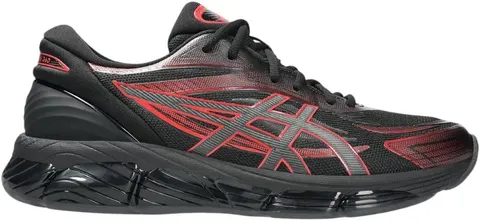
If your gym sessions are mostly HIIT classes, circuit training, or a mix of cardio and moderate lifting rather than heavy barbell work, a shoe with more cushioning than the Metcon — but still a stable heel structure — tends to feel better across an hour-long class.
What we liked
- Comfortable enough for a full hour of mixed training
- Stable heel structure supports lateral movement
- More forgiving than flat-soled lifting shoes for cardio
Drawbacks
- Less stable than the Metcon under maximal lifts
- Cushioning compresses faster under heavy loads
- Not ideal as a dedicated lifting shoe
Who should buy it
Anyone doing group fitness classes or a mix of cardio and moderate strength work.
Who should avoid it
Serious powerlifters needing maximum ground stability under heavy barbell loads.
Read our full ASICS Gel-Quantum review →
Lifting vs. cardio-focused training: pick based on what you do most
There isn't one "best" gym shoe for flat feet — there's a best shoe for what you actually do most often in the gym:
- Mostly lifting: prioritize a firm, flat, stable base over cushioning. A compressible midsole under a loaded barbell can feel unstable.
- Mostly cardio/HIIT: prioritize a moderately cushioned shoe with a stable heel, since repeated impact needs some shock absorption.
- A genuine mix of both: a cross-training shoe that balances the two is a reasonable compromise, even if it's not the single best option for either extreme.
Don't ignore lateral stability
Gym movements involve a lot of side-to-side motion that running shoes aren't built for. A running shoe's softer, taller midsole can feel wobbly during lateral lunges or agility work — one more reason a dedicated training shoe is worth having if you train more than occasionally.
Frequently asked questions
Should I lift weights in running shoes if I have flat feet?
It's not ideal. Running shoes have cushioned, compressible midsoles designed to absorb impact, which can make your base feel unstable under a loaded barbell. A flatter, firmer training shoe generally gives better ground contact for lifting.
Are cross-training shoes good for flat feet?
Many cross-training shoes work well for flat feet because they prioritize a stable, wider base over soft cushioning. Look for models that specifically mention a firm heel and stable platform rather than max-cushion training shoes.
Do I need arch support inserts for gym shoes?
Some people benefit from an aftermarket insole in a training shoe, especially for longer HIIT sessions, but it's not universal. If a shoe's stock support already feels solid during lifts and cardio, an added insole may not be necessary.