Updated October 2026
Best Shoes for Nurses and Standing All Day with Flat Feet
A 12-hour shift on hospital floors is the hardest test a flat foot can face: hours of standing, short fast walks, and no chance to sit down and rest your arches. These are the shoes healthcare workers with low arches tend to swear by, and why.
This page contains Amazon affiliate links. If you buy through them, I may earn a commission at no extra cost to you. See the
affiliate disclosure.
Quick picks
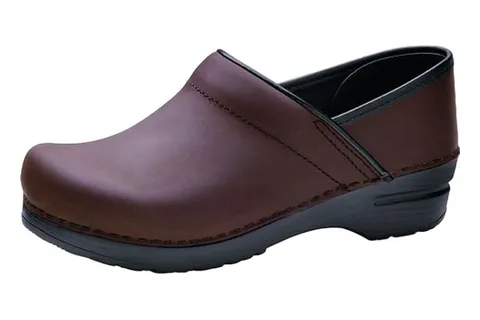
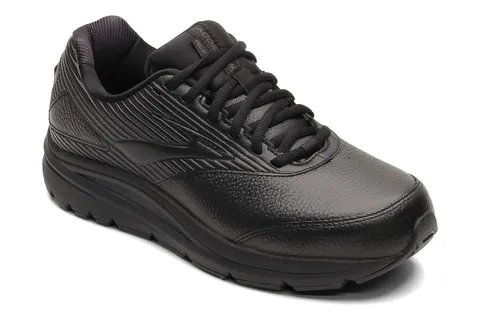
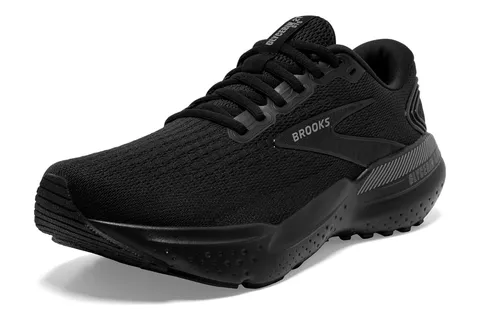
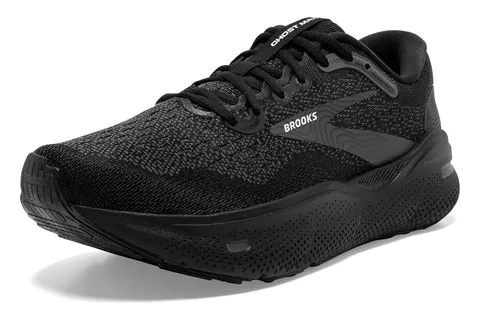
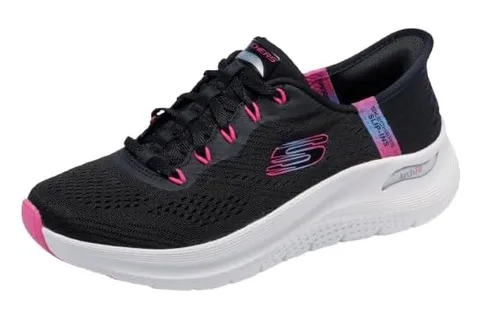
A clog, two stability sneakers, a maximum-cushion option, and a hands-free slip-in for shifts where every second counts.
How these picks were chosen
These are research-based picks, not a claim that I've worn every pair on this page. I compared manufacturer specifications against the features that matter most for flat feet — heel-counter firmness, midsole stability, a removable insole for orthotics, and wide-size availability — and read through patterns in verified buyer feedback. See
how I evaluate shoes and the
medical disclaimer.
Why standing all day is harder than walking
Walking at least changes which muscles are working with each step. Standing still keeps the same tissues loaded for hours, and with flat feet that load sits on the plantar fascia and the tendons trying to hold up the arch. By the end of a shift, many nurses with flat feet describe a deep ache in the arch, heel pain, or tired knees and lower back.
The fix is a combination: a shoe with a stable base and support under the arch, cushioning that suits hard floors, and a fit that allows for swelling. Rotating two pairs between shifts also helps, because foam recovers its cushioning between wears. See our shoe lifespan guide.
Clog or sneaker?
Clogs like the Dansko suit people who mostly stand. The stiff base and rocker sole reduce fatigue, and leather wipes clean. Stability sneakers like the Glycerin GTS suit people who walk a lot during a shift, because they're lighter, lock the heel in better, and are more forgiving for fast movement. Plenty of nurses own one of each and switch depending on the unit or the day.
Compression socks help too
Many healthcare workers pair supportive shoes with graduated compression socks to reduce leg fatigue and swelling. If you have circulation issues or diabetes, check with your doctor first.
Frequently asked questions
Are clogs good for nurses with flat feet?
Supportive clogs with a contoured footbed and a firm base, like the Dansko Professional, work well for many nurses with flat feet, especially for standing-heavy shifts. Their open back gives less heel control, though, so people with unstable ankles often do better in a laced stability sneaker.
How often should nurses replace work shoes?
Cushioning breaks down faster under daily long shifts. A common rule of thumb is every 6 to 12 months for nurses working full time, or sooner if the midsole looks creased, the shoe leans when placed on a flat surface, or aches return.
Should I add insoles to my nursing shoes?
If your shoes have a removable insole and you still feel arch fatigue, a supportive over-the-counter insole is a cheap upgrade. Replace the stock insole rather than stacking a second one on top.